
PATCH & REPAIR
Patch and repair products restore damaged surfaces on drywall, wood, concrete, plaster, and masonry for interior and exterior applications. Use the filters below to find the right patch or filler based on your material, repair size, and project location.
Common Repair Projects
Watch step-by-step tutorials for drywall repair, concrete patching, and exterior surface restoration.
Kitchen and Bath
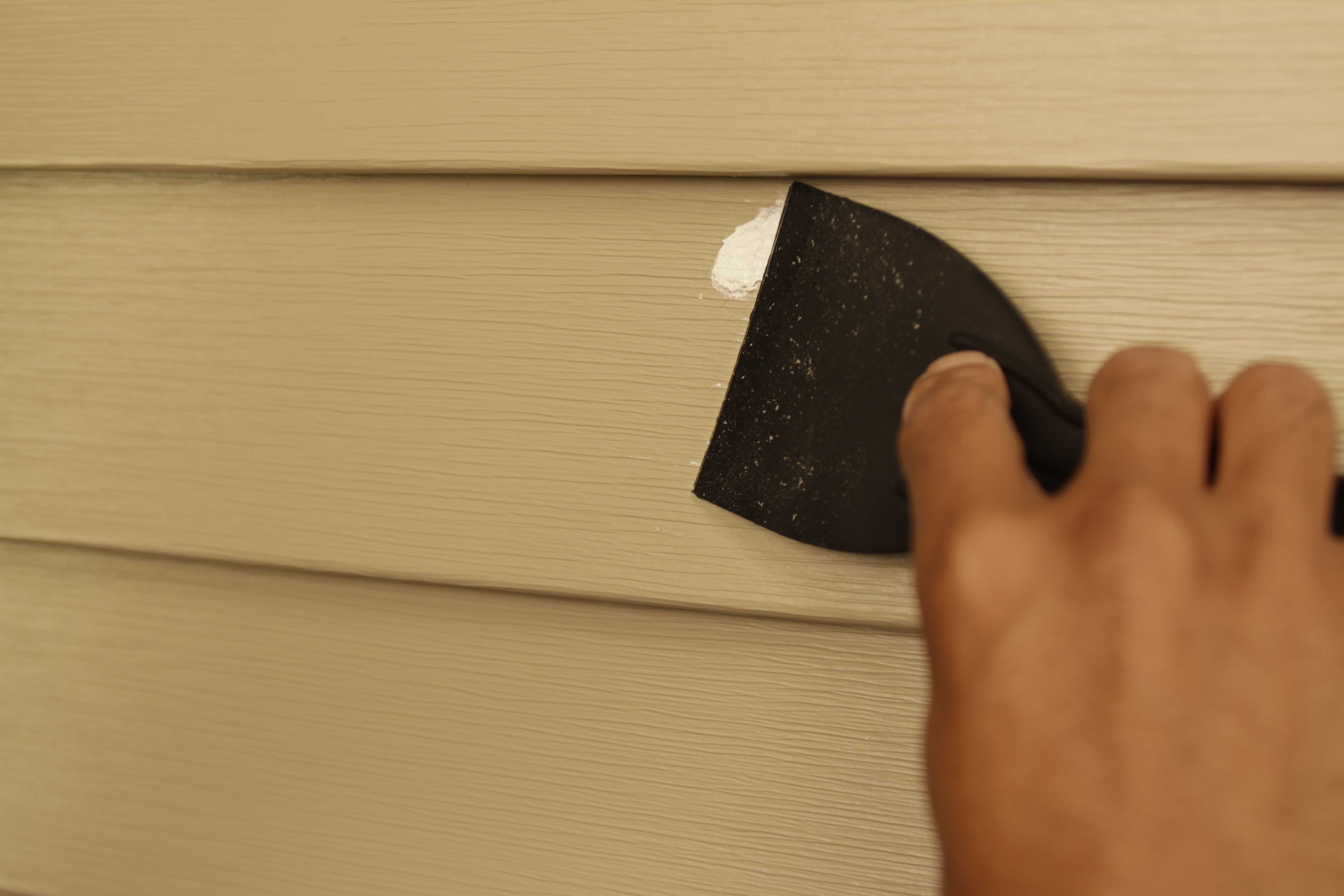
How to Repair Vinyl Siding Without Replacing Panels
Learn how to repair vinyl siding holes using exterior patching materials for a fast, durable fix that prevents water damage.
view project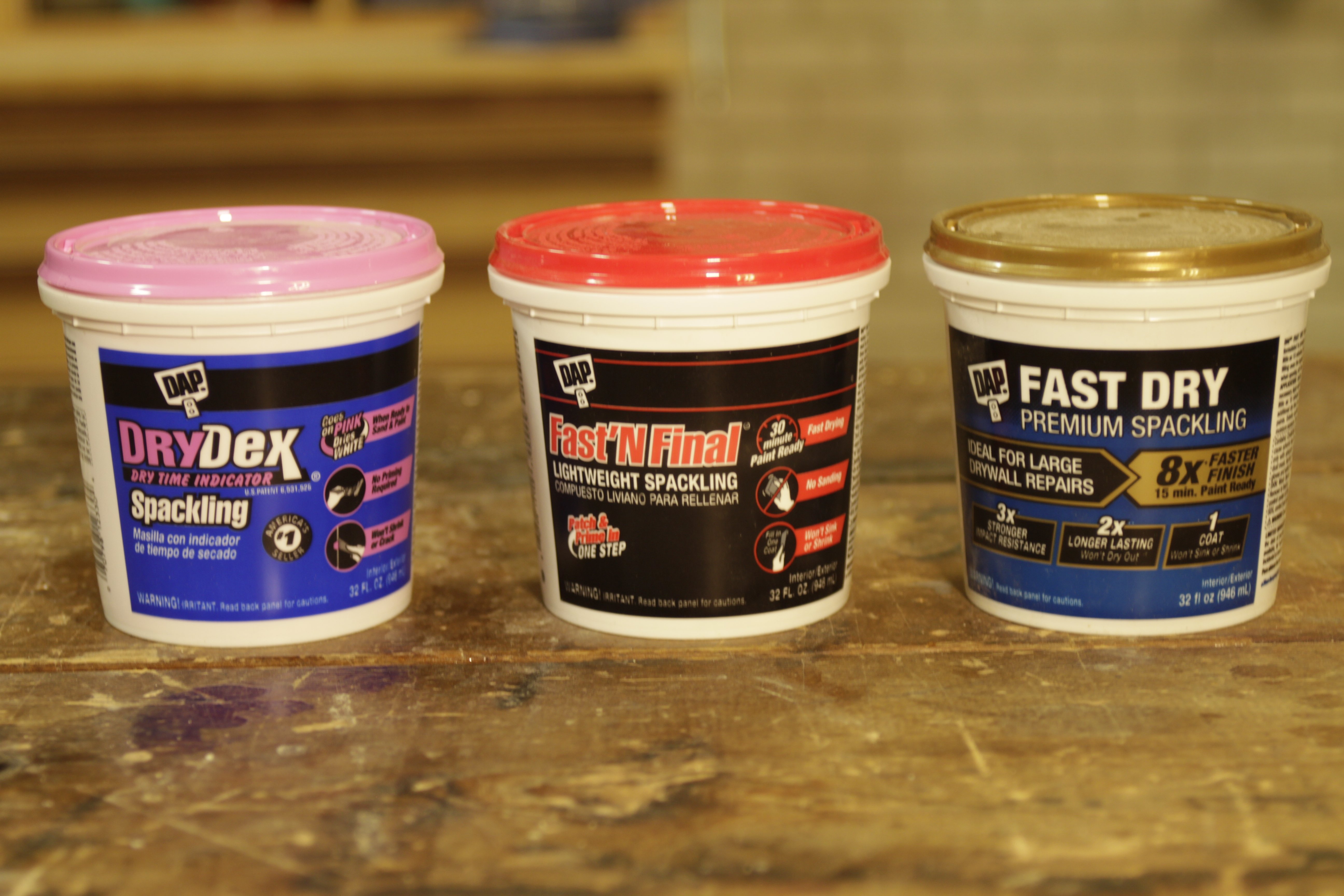
Kitchen and Bath
Spackling 101
Learn spackling basics, including how to patch drywall and plaster, choose the right spackling compound, sand repairs, and prep walls for paint.
view project1/0
Frequently Asked Questions
Spackling is formulated for small to medium repairs like nail holes, cracks, and dents in drywall or plaster, with fast dry times typically 1-3 hours and minimal shrinkage. Joint compound is designed for finishing new drywall installations, taping seams, and large-scale surface work, with slower dry times (24+ hours) and longer working time for smoothing. Use spackling for quick patch repairs, joint compound for full drywall finishing or skim coating large wall areas.
Wood filler should not be used on drywall. Wood filler is designed to bond with wood fibers and may not adhere properly to gypsum-based drywall, potentially cracking or falling out over time. For drywall repairs, use spackling compounds specifically formulated for gypsum surfaces. Spackling provides better adhesion to drywall, appropriate flexibility, and accepts paint more readily than wood filler.
Lightweight spackling typically dries in 1-3 hours for shallow repairs, while heavyweight spackling may take 3-6 hours depending on depth, temperature, and humidity. Deep repairs over 1/4 inch may require 24-48 hours to fully cure. Products with dry time indicators (pink-to-white) eliminate guesswork by showing when the surface is ready to sand and paint. Always verify spackling is completely dry before sanding or applying primer to prevent smearing or surface damage.
Lightweight spackling is ideal for small nail holes in drywall because it dries quickly (1-3 hours), spreads easily, and typically requires no sanding before painting. For frequent touch-ups, spackling with a dry time indicator shows when the patch is ready to paint. Heavyweight spackling works better for larger nail holes or if the hole goes through to the wall cavity. For nail holes in wood trim, use wood filler instead of spackling for proper adhesion and finishing.
Standard interior spackling is not suitable for exterior use as it lacks weather resistance and will crack or deteriorate when exposed to temperature fluctuations and moisture. For exterior repairs, use spackling specifically labeled for exterior or interior/exterior applications, which contain additives for UV resistance, weatherproofing, and flexibility. Exterior-grade products like weatherproof fillers are formulated to withstand freeze-thaw cycles, moisture, and sun exposure without crumbling or pulling away from surfaces.
Lightweight spackling designed for small nail holes often requires minimal or no sanding if applied smoothly and allowed to dry completely. Heavyweight spackling and larger repairs should be sanded after drying to create a smooth, level surface that blends with the surrounding wall. Use fine-grit sandpaper (120-150 grit) and wipe away dust before painting. Some lightweight "patch and prime" formulas eliminate both sanding and priming steps for small repairs.
DryDex is spackling with a patented dry time indicator that changes from pink to white when the repair is fully dry and ready to sand or paint. This feature eliminates guesswork about dry times, which can vary based on repair depth, room temperature, and humidity. When the spackling has completely turned white with no pink visible, it has reached optimal dry time for finishing. DryDex is available in both lightweight and heavyweight formulas for different repair sizes.
Most wood fillers can be stained, but they absorb stain differently than natural wood and may not match perfectly, especially on large repairs. For best results, test stain on the wood filler in an inconspicuous area before applying to the visible repair. Solvent-based and professional-grade wood fillers with real wood fibers typically accept stain more uniformly than water-based latex fillers. For small cosmetic repairs on stained wood, color-matched wood filler or wood putty sticks may provide better results than attempting to stain filler.